


 At a glance
Treated timber is preserved to resist rot, fungal decay and insect attack, making it suitable for outdoor projects and damp environments. Untreated timber is generally better suited to dry indoor applications, including joinery and furniture. C16 and C24 strength grades indicate the timber's structural performance, not whether it has been treated. Always choose timber based on its intended use, exposure conditions and required strength grade.
Whatever project you are undertaking, it is vital that you source the correct materials – and timber is certainly no exception. Whether you're starting a small DIY project at home or a larger construction or landscape project, using the right timber is essential. At first glance, it is easy to assume that two lengths of softwood that look identical are just as good as each other. However, if you don't use the right type of wood for your specific project type, you could open your finished project to the danger of premature rot or structural failure. Understanding the fundamental differences between treated and untreated timber—alongside how structural grading works—ensures your build stands the test of time without unnecessary expense. Explore Harlow Bros' range of building grade timber to find materials for different construction applications.
Treated vs Untreated Timber - Key Summary
- Untreated timber is natural, chemical-free wood ideal for dry, indoor applications such as internal framing, joinery, and furniture. Browse the range of sawn timber.
- Treated timber (often pressure-treated or tanalised) is infused with preservatives to resist rot, fungal decay, and insect attack, making it essential for outdoor and high-moisture environments. Explore treated graded timber.
- Strength grading (such as C16 and C24) measures structural load capacity rather than weather resistance—both treated and untreated timber can be graded. See Harlow Bros' graded timber range.
- Use Class ratings (UC1 to UC4) dictate exactly where treated timber can be safely installed, from dry interiors to direct ground contact.
What is Untreated Timber?
One choice when it comes to timber for projects is untreated timber. As the name suggests, this is wood that has been felled, sawn and dried without the addition of chemical preservatives. It retains its natural finish and contains no biocides, which makes it safe, easy to machine, and takes paints, stains, and varnishes exceptionally well. However, before considering it for your project, it is important to keep in mind that without treatment the timber is vulnerable to absorbing moisture and even wood-boring insects, especially if you use that timber for an outdoor project.
Harlow Bros supplies a selection of untreated and sawn timber for applications where preservative treatment is not required.
What is Treated Timber?
As you might imagine, the flipside of this is treated timber – which is timber that has gone through a specialised preservation process. This process usually involves high-pressure vacuum impregnation (often referred to as tanalising)—to force protective preservatives deep into the wood fibres. Timber is treated to offer a protective barrier to prevent rot, damp and insect infestation. Treated timber typically has a distinct greenish or brown tint (depending on the preservative used) and is regulated under BS 8417 Use Classes, ranging from Use Class 2 (internal areas with a risk of dampness) to Use Class 3 (external, above ground) and Use Class 4 (direct ground or freshwater contact).
You can find out more about Harlow Bros' timber treatment process, including how preservatives are applied to protect timber against decay and insect damage.
Understanding Timber Grading
A common misconception is that timber grading relates to weather resistance. In reality, strength grading—most notably C16 and C24 in the UK—measures the structural load-bearing capacity and visual quality of the wood, completely independent of whether it is treated.
C16 Timber - The UK construction standard for general structural framing, stud walls, and floor joists. It allows for slightly more knots and natural defects while still offering reliable strength.
C24 Timber - Higher-grade softwood imported from slower-growing northern climates. With tighter growth rings and fewer knots, it offers superior strength and a cleaner finish, ideal for longer spans or heavier loads.
Harlow Bros offers both C16 and C24 treated timber and untreated graded timber to suit different structural and environmental requirements.
When to Use Untreated Timber
As a general rule, untreated timber is best used for dry, well-ventilated indoor environments where the risk of moisture ingress is minimal.
Best time to use - Internal stud partition walls, bespoke joinery, architraves, skirting boards, staircases, and indoor furniture.
Why use it? - It is generally more cost-effective than treated alternatives, easier to sand and finish cleanly, and avoids introducing unnecessary preservatives into living spaces.
When to Use Treated Timber
If your project is designed to be outdoors (or in a high-moisture area) then you need timber that has undergone preservative treatment to prevent structural degradation.
Best time to use - Garden decking, fencing posts (UC4), feather-edge boards, outdoor sleepers, pergolas, roof battens, and sole plates resting on concrete or brickwork.
Why use it? - Pressure treatment dramatically extends the lifespan of softwood outdoors, protecting your investment against the unpredictable British weather. Always remember to apply an end-grain preservative whenever you cut treated timber on-site to maintain the protective seal.
The choice between treated and untreated timber comes down to how much moisture exposure your timber is likely to have. It is also important to remember the aftercare of any timber construction once you have finished. Even pressure-treated timber benefits from a little maintenance: allow newly treated wood to dry for several weeks before painting or staining so coatings adhere properly, apply water-repellent oil or stain every year or two outdoors to prevent cracking and UV greying, and always use stainless steel or hot-dipped galvanised fixings to prevent corrosion.
Ready to get started on your next build? Browse the full range of graded treated timber and untreated graded timber online at Harlow Bros, or speak to our team for advice on the right specification for your project.
Continue your project
Products relevant to this guide
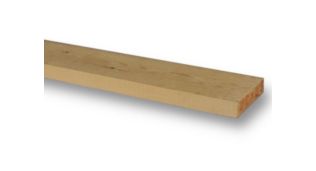
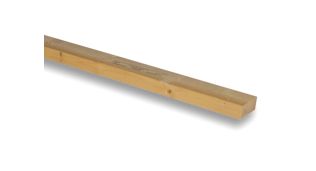
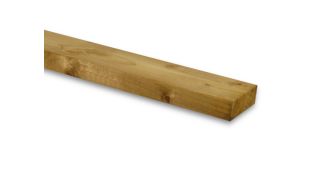
These are relevant examples, not a best-seller ranking. Confirm the right specification for your project before ordering.
Common questions
Frequently asked questions
Can I use treated timber indoors?
Yes. Treated timber can be used indoors, particularly in areas exposed to damp or moisture, such as lofts, garages, basements and ground-floor joists. For dry living spaces, furniture and interior joinery, untreated timber is generally the preferred choice. You can explore the range of treated graded timber available from Harlow Bros.
Does pressure-treated timber still need sealing or painting?
Yes. Pressure treatment protects timber against rot, fungal decay and insect attack, but it does not make the wood waterproof. Applying an appropriate exterior sealer, oil or stain helps protect the surface from moisture and reduces the effects of swelling, shrinking and splitting. Regular maintenance will help keep outdoor timber in good condition.
Is C24 timber always pressure-treated?
No. C24 is a structural strength grade, not a preservative treatment. Both treated and untreated timber can be supplied as C24, depending on the product. When choosing timber, check both its strength grading and whether it has been treated for the conditions in which it will be used. Browse Harlow Bros' range of graded timber to find suitable options.